

In today's digital world, online security is more important than ever. With increasing concerns about data privacy and cyber threats, understanding how to protect your internet connection is essential. One of the most effective ways to enhance your online security is through a Virtual Private Network, or VPN. But for many, the idea of setting up a VPN can feel daunting, especially if you're trying to stay within a budget. Fear not, as this guide will walk you through the basics of VPN security and show you how to connect to a VPN that you can afford .
Whether you are browsing from home, using public Wi-Fi, or working remotely, a VPN can offer you a secure and private means of accessing the internet. In this wallet-friendly guide, we will discuss how to install a VPN app, the features to look for in an affordable service, and why it is crucial to learn how to connect to a VPN for safe browsing. With straightforward steps and practical tips, you will be well on your way to protecting your online activities without spending a fortune.
Understanding VPN Security
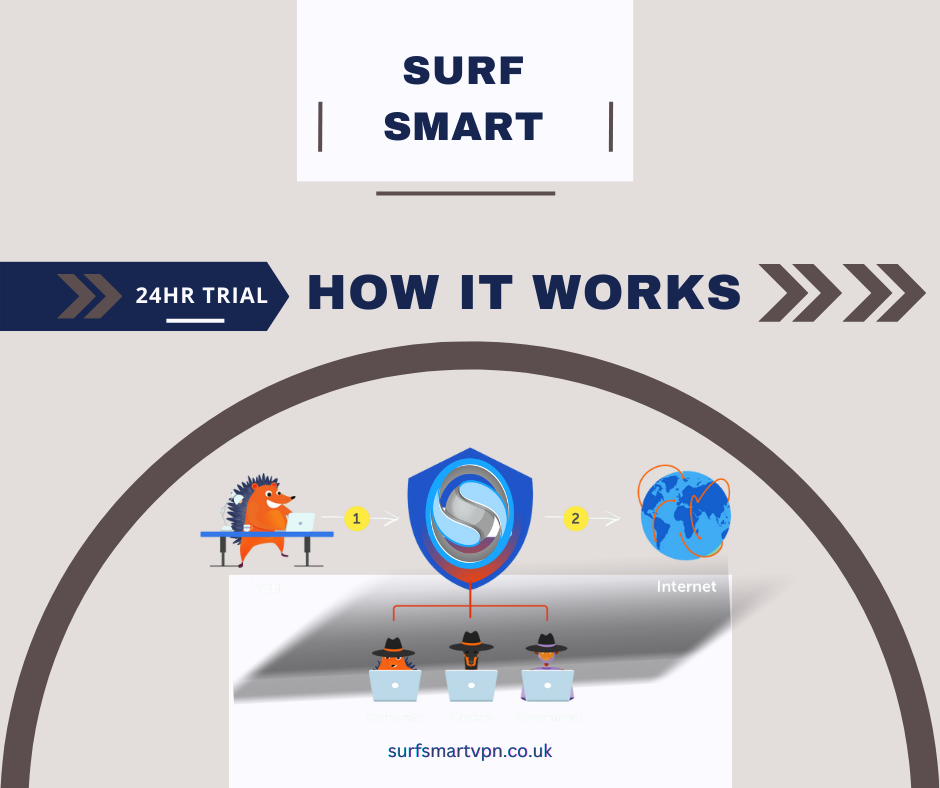
VPN security is essential for anyone looking to protect their online activities from prying eyes. A Virtual Private Network, or VPN, encrypts your internet connection, making it secure from hackers, government surveillance, and even your Internet Service Provider. By routing your internet traffic through a secure server, a VPN masks your IP address and helps maintain your online privacy.
When choosing a VPN, it's important to consider the encryption standards it uses. Strong encryption protocols, such as OpenVPN or IKEv2, provide a robust layer of security that ensures your data remains confidential. Additionally, look for features like a no-logs policy, which means that the VPN provider does not store records of your online activities. This is crucial for ensuring that your privacy is preserved.
Understanding the importance of VPN security extends beyond individual privacy. In an age where data breaches and cyber threats are prevalent, using a reliable VPN can safeguard sensitive information, like banking details and personal conversations. As you navigate the web, knowing that your connection is secure allows you to browse with peace of mind, making it a vital tool for everyone.
Choosing the Right VPN
When selecting a VPN, it's crucial to consider your specific needs and budget. Not all VPNs are created equal, and different providers offer varying features and pricing. Start by evaluating what you need your VPN for, such as streaming, browsing, or enhanced privacy. This will help narrow down your options to those that best fit your lifestyle.
Next, look for a VPN that provides robust security features without breaking the bank. Essential elements include strong encryption protocols, a no-logs policy, and a good track record regarding user privacy. Many affordable VPNs offer these features, so don't be afraid to shop around and compare different services to find one that offers both reliability and value.
Finally, consider the installation and usability of the VPN app. Look for providers that offer easy installation processes and user-friendly interfaces. Reading reviews from other users can help you determine which VPNs have a reputation for being easy to set up and use. A great VPN should not only be secure but also accessible.
Key Features to Look For
When choosing an affordable VPN, prioritize strong encryption protocols. Look for VPN services that utilize at least AES-256 bit encryption, which is considered industry standard for keeping your data secure. This level of encryption safeguards your online activities from eavesdroppers and cyber threats, ensuring that your personal information remains confidential while browsing the internet.
Another vital feature to consider is a no-logs policy. This means the VPN provider does not store information about your online activities, ensuring that there is no record of your browsing history that could potentially be accessed or sold. A reputable VPN with a strict no-logs policy provides you with an added layer of privacy, allowing you to surf the web without worrying about your data being tracked.
Lastly, evaluate the availability of multiple server locations. A diverse selection of servers enables you to connect from various regions, which can enhance your browsing experience by reducing latency and accessing geo-restricted content. Make sure the VPN you choose has servers in locations that are important to you, ensuring both speed and accessibility while maintaining your online privacy.
Affordable VPN Options
When searching for a VPN that fits your budget, you will find several reputable providers offering excellent services at a fraction of the price of premium options. Services like Surfshark and NordVPN frequently run promotions that make their plans more affordable, providing features like strong encryption, no-logs policies, and access to a wide range of servers. These providers focus on delivering reliable security without breaking the bank, making them ideal for anyone looking to enhance online privacy.
Another option is to explore free VPN services. While they may have limitations in terms of speed and server locations, some reputable free VPNs can still provide a basic level of security for occasional use. Services like ProtonVPN and Windscribe offer free tiers that maintain a commitment to user privacy. However, it is important to research the privacy policies of free VPNs to ensure that your data is not being sold or tracked.
Lastly, consider taking advantage of multi-year subscription plans offered by many VPN providers. These long-term plans usually come with substantial discounts compared to monthly billing. By committing to a VPN for a longer duration, you not only save money but also gain the benefit of consistent online security. Be sure to verify the provider's reputation for security and customer satisfaction before making a commitment.
Installing Your VPN App
To start using your chosen VPN, the first step is to download the app. Visit the official website of the VPN provider or go to your device's app store. Most reputable VPNs are available for various platforms, including Windows, macOS, Android, and iOS. Make sure to download the app that corresponds to your device to ensure compatibility and security.
Once the app is downloaded, open it and begin the installation process. Depending on your device, you might need to grant certain permissions for the app to function properly. This can include access to your location or network settings. Follow the on-screen instructions, and ensure you have an account set up with your VPN provider to activate the service.
After installation, launch the app and log in using your account credentials. You will typically find a user-friendly interface with options to connect to various server locations. Take a moment to explore the settings, especially security features such as the kill switch and encryption settings. Once you are satisfied with your configurations, you can easily connect to the VPN and enjoy a secured internet experience.
Connecting to Your VPN
To connect to your VPN, start by selecting a reliable VPN provider that fits your budget. Many affordable options offer essential features such as strong encryption and a no-logs policy. Once you have chosen a VPN service, you will need to sign up for an account. Look for promotional discounts or trial periods to minimize your costs. After signing up, you will typically receive instructions on downloading the VPN app.
Once you have downloaded the VPN app on your device, open it and log in with your credentials. Most apps are user-friendly and designed to guide you through the setup process. You may need to select a server location that suits your needs. Connecting to a server closer to your geographic location usually provides better speeds.
After choosing the desired server, click the connect button. The app will establish a secure connection, and you'll see a notification confirming that you are connected. Always check for a secure connection sign before browsing the internet to ensure your data is protected. This simple process allows you to enjoy secure and private browsing without breaking the bank.

Testing Your VPN Connection
Once you have installed your VPN app and connected to your chosen server, it is essential to test your VPN connection. This step ensures that your internet traffic is secured and that your real IP address is hidden. Start by visiting a site that displays your IP address, such as whatismyip.com. If your VPN is functioning correctly, you should see the IP address of the VPN server instead of your personal IP address.
In addition to checking your IP address, you should also verify the leak protection features of your VPN. IP and DNS leaks can expose your real location and browsing activity. To test for leaks, utilize online tools that specifically check for DNS leaks. These tests will confirm whether your DNS queries are being routed through the VPN, providing an extra layer of security for your online activities.
Finally, consider running speed tests to gauge the performance of your VPN connection. Some VPN services can reduce your internet speed due to encryption overhead. By using a speed test tool, you can determine if your connection remains satisfactory while using the VPN. If you notice a significant decrease in speed, you might want to try different servers or explore alternative VPN providers that meet your budget and security needs.
Troubleshooting Common Issues
When connecting to a VPN, you may encounter various issues that can hinder your browsing experience. One common problem is slow connection speeds, which can stem from server overload or a poor connection to the internet. To resolve this, try switching to a different server location within the VPN app. Most providers offer multiple servers, and choosing a less crowded one can significantly improve performance.
Another issue users often face is difficulty in accessing certain websites or streaming services while connected to the VPN. This may be due to the service detecting VPN use and blocking access. To address this, you can enable the obfuscation feature or try different server locations. Many VPNs have specialized servers for streaming, which might provide better access to content.
Lastly, if you experience connection drops frequently, ensure that your VPN settings are optimized for stability. Check for any available app updates and consider adjusting the protocol settings within the VPN app, as some protocols may perform better depending on your network environment. Additionally, restarting your device can help clear temporary glitches that could affect your connection.
Maintaining Your VPN Security
To ensure your VPN remains secure, regularly update the VPN client application. Developers frequently release updates to address security vulnerabilities and improve performance. By keeping the app up to date, you benefit from the latest encryption protocols and security enhancements, which are crucial for maintaining your online privacy.
Additionally, regularly review the privacy policies and terms of service of your VPN provider. This helps you understand how your data is being handled and whether the provider is still aligning with your privacy goals. Look for any changes that might affect your security or data protection, as this knowledge allows you to make informed decisions about staying with your current provider or switching to a more reliable one.
Finally, utilize strong authentication options offered by your VPN. Many services provide features like two-factor authentication (2FA) to add an extra layer of security. Enabling 2FA ensures that even if someone obtains your login credentials, they cannot access your account without the second authentication factor. This practice significantly enhances your overall VPN security and helps protect your internet connection from potential threats.
Future of VPN Technology
The future of VPN technology is likely to be shaped by advancements in encryption and privacy protocols. As more individuals become aware of online privacy issues, the demand for secure and reliable VPN services is set to grow. Innovations such as quantum encryption could provide an additional layer of security, making it even harder for prying eyes to intercept data. This evolution will make it possible for users to connect to a VPN with confidence, knowing that their online activities are protected against emerging threats.
Moreover, VPN providers are increasingly focusing on enhancing user experience while maintaining affordability. Many services are expected to adopt more flexible pricing models, offering tiered options that cater to different budgets without compromising on security. As competition increases, consumers can anticipate greater value with added features such as split tunneling, ad blocking, and enhanced server networks, enabling them to choose a VPN that aligns with their financial and security needs.
Finally, the integration of artificial intelligence in VPN services is on the rise. AI-driven solutions can optimize VPN performance, automatically selecting the best servers and configurations for users based on their needs. This technology promises to make the process of connecting to a VPN smoother and more efficient. As these advancements unfold, even budget-conscious users will have access to cutting-edge security features, ensuring that everyone can enjoy a safer and more private online experience.